
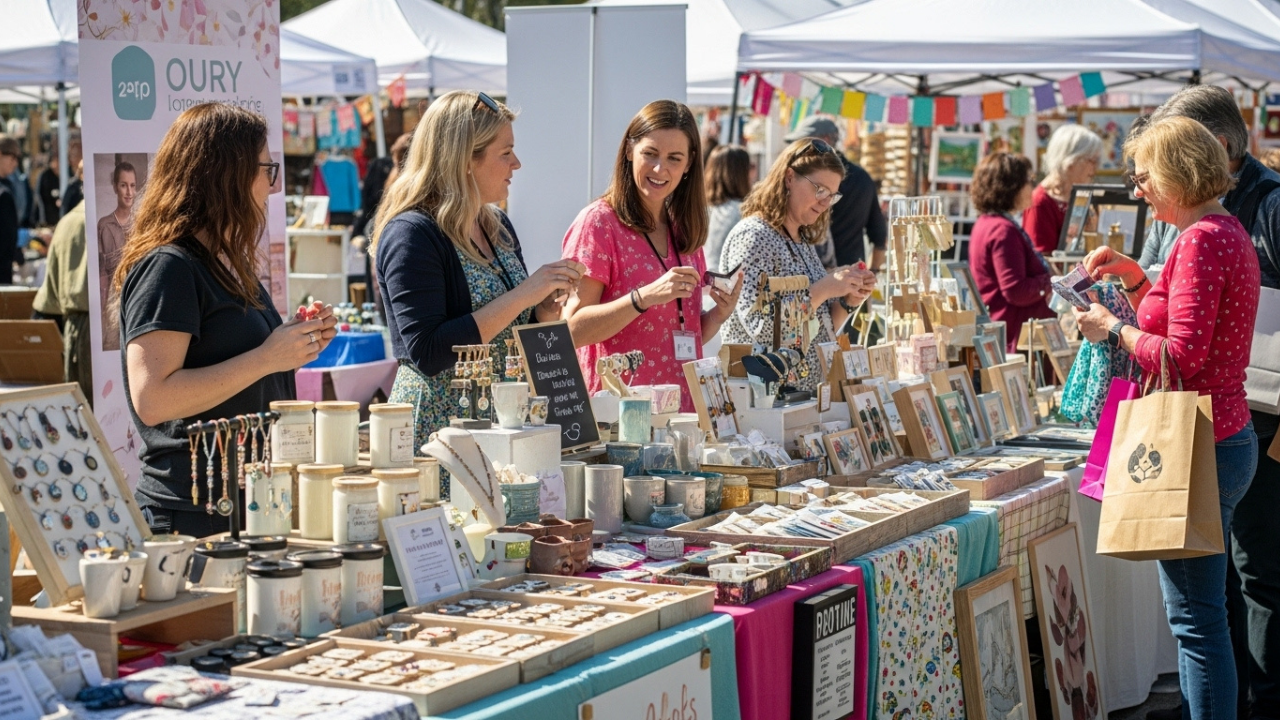
Best Craft Fairs to Sell Handmade Items in the US, It would be striking to spend hours making handmade items, only to have no one buy them. Online marketplaces can help, but sometimes buyers need to see, feel, and touch products in real life. This is where craft fairs become a game-changer.
Craft fairs offer you a chance to show your work to real people, build connections, and sell there and then. They also help crafters gain direct feedback, understand buyer preferences, and network with other makers. Attending a craft fair can improve your business whether you are new to selling or have years of experience.
In this guide, you’ll learn which craft fairs are the best in the US, how to prepare for them, and how to make the most of them in 2025.
Understanding Craft Fairs
Direct Exposure to Buyers
People actively search for handmade products at craft fairs. Unlike online platforms, where customers scroll endlessly, fairs let buyers touch and feel your products.
For beginners, this exposure is invaluable. Making a sale in person allows you to see reactions and receive feedback, giving you insight on how to improve your products and packaging.
Networking Opportunities
Craft fairs are ideal for connecting with other makers, suppliers, and industry professionals. These connections can spark inspiration, partnerships, and new ideas.
For example, a jewelry maker may meet a photographer who improves product images, or a soap seller may meet a boutique owner interested in carrying their products.
Learning About Your Market
Fairs provide immediate insight into buyer preferences. You can test different products to see which get the most attention and adjust prices or designs accordingly. Many beginners don’t realize how valuable this live feedback is for building a sustainable handmade business.
Types of Craft Fairs
Seasonal Fairs
Holiday markets or summer fairs attract larger crowds, as people are searching for gifts or special items. Weekends and festivals bring more customers, increasing your chances of making sales.
Local and Community Fairs
Small-town or neighborhood fairs are perfect for beginners. Booth fees are lower, the crowd is smaller, and the atmosphere is friendlier. Participating in these fairs helps build confidence, test your products, and create personal connections with buyers.
Large National Fairs
National or large-scale craft fairs draw thousands of people and often feature a carefully curated selection of artwork. Joining these fairs can jumpstart recognition and credibility, but they require a higher investment in booth space, inventory, and preparation.
Niche-Specific Fairs
Some fairs focus on a specific product category, such as eco-friendly crafts, jewelry, or artwork. Selling at niche fairs means your products reach an audience that already loves your type of craft, improving sales effectiveness and the likelihood of repeat purchases.
Top Craft Fairs in the US for 2025
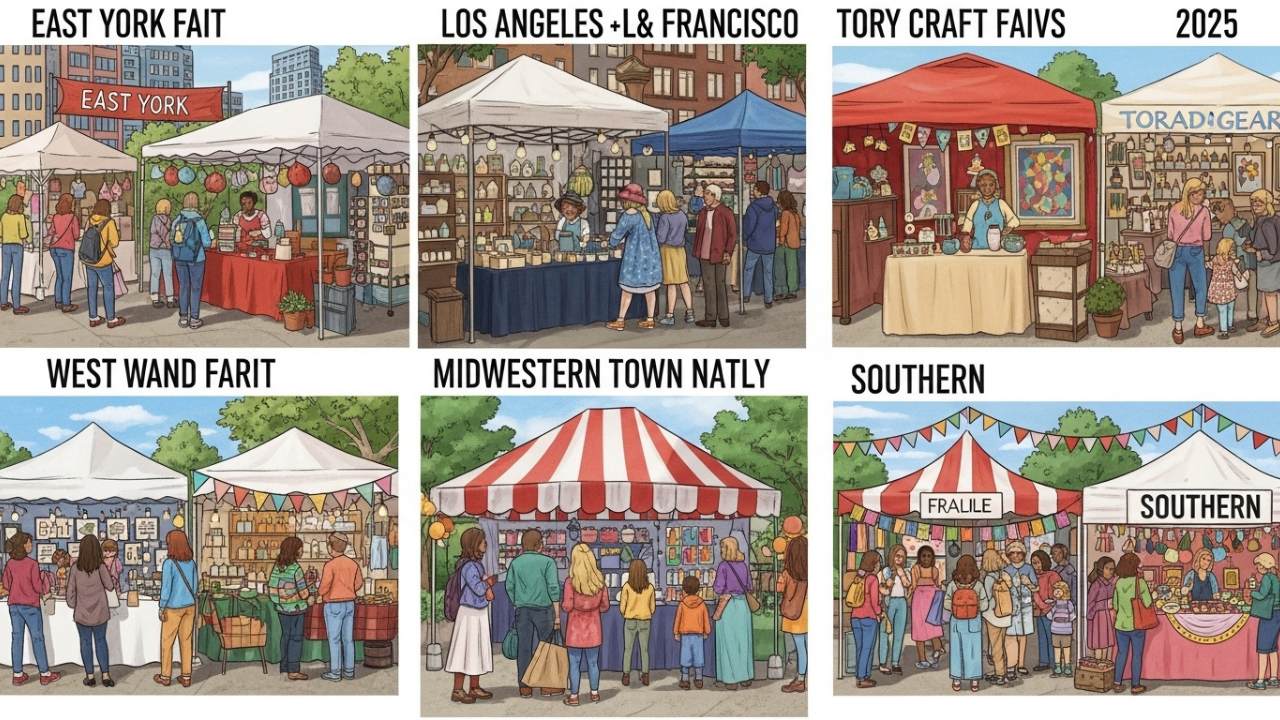
There are many fairs across the country, although certain fairs get repeat buy and sell orders. These fairs provide high footfalls, a targeted audience, and great potential for sales success.
East Coast Craft Fairs
The East Coast hosts many well-known craft fairs. The Renegade Craft Fair in New York City attracts thousands of people each year and features both local and traveling artisans. Another great event is the Baltimore Craftacular, which is holiday-themed and gift-focused. Each holiday season, shoppers flock to Philadelphia’s Holiday Market looking for goods that are handmade, colorful, and fun.
West Coast Craft Fairs
San Francisco and Los Angeles, known for their eclectic and creative crowds, host Renegade Craft Fair events on the West Coast. Portland’s Holiday Market is also a popular destination for artisan shopping. People on the West Coast often prefer unique, artistic, and sustainable products, and handmade jewelry, candles, and art tend to do particularly well.
Midwest Craft Fairs
Midwestern fairs are family-friendly and community-oriented. The Ann Arbor Summer Art Fair is a highlight, attended by thousands and featuring handmade arts and crafts. Smaller fairs shine a spotlight on Chicago artists, while the craft section of the Minnesota State Fair showcases items ideal for home, art, and novelty gifts.
Southern Craft Fairs
Markets in the South are colorful because of the seasons and cultural influences. The Atlanta Gift & Home Market is a key exhibition for home décor and handmade goods. Austin Craft Riot focuses on indie and creative crafts for a younger crowd. Meanwhile, the Holiday Market in New Orleans is perfect for festive crafts, local art, and one-of-a-kind handmade gifts.
Choosing the Right Craft Fair for Your Products
Matching Products to Audience
Not every fair suits every product. Selling handmade jewelry at a specialty craft fair is ideal, while seasonal home décor fits better at a holiday market. Understanding your audience ensures better engagement and sales.
Evaluating Attendance and Sales Potential
Before signing up, research past attendance, booth rates, and average sales. Large fairs draw high traffic but require more investment and preparation, while smaller fairs offer lower risk and a chance to gain experience.
Understanding Vendor Requirements
Each fair has its own application process, deadlines, and rules. Some request product photos, proof of insurance, or booth design plans. Beginners should carefully read these criteria to ensure eligibility and smooth applications.
Local vs. National Fairs
Local fairs are lower cost and less competitive, making them perfect for beginners. National fairs expose you to a larger audience and greater sales potential but require planning, travel, and more inventory. Newcomers should weigh potential gains and start with small local events.
Preparing for a Craft Fair
Designing Your Booth
Your booth is your storefront. A clean, clutter-free space entices customers to stop by. Make your booth stand out with organized displays, proper signage, and cohesive branding.
For beginners, simple arrangements work best. Tiered display stands for small items, clear pricing labels, and attractive packaging help avoid a cluttered look.
Inventory Planning
Bringing the right amount of stock is crucial. Too little means missed sales, while too much can lead to stress. Start with your best sellers and a range of complementary products. Monitor smaller fairs to plan better for larger events.
Pricing Strategies
Pricing at craft fairs can be tricky. Factor in materials, labor, booth fees, and desired profit. Prices should reflect quality while remaining competitive. Offering bundles or discounts can encourage multiple purchases or repeat buys.
Marketing Before the Event
Promote your presence before the fair to increase booth traffic. Use social media, email newsletters, and local community groups to announce your participation. Share behind-the-scenes content to build excitement and attract more visitors.
Maximizing Sales at Craft Fairs
Engaging with Customers
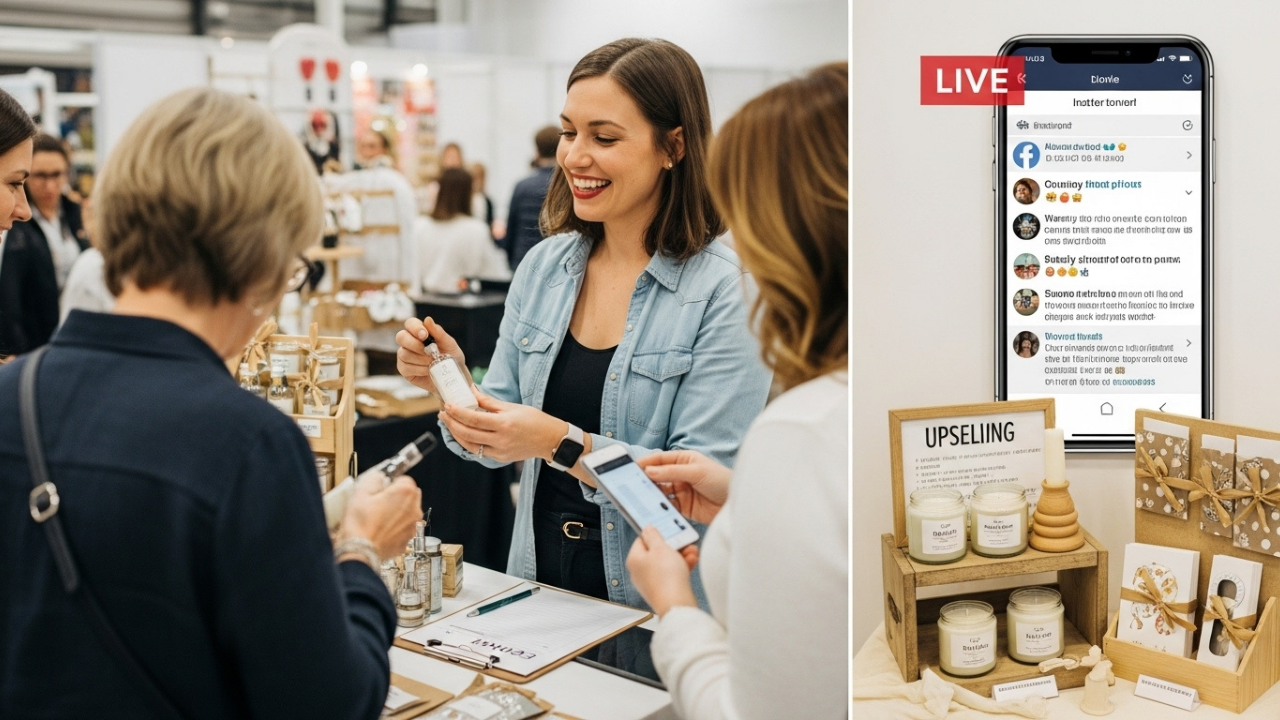
onnecting with buyers can significantly impact sales. Share background stories about your products, show how they work, and explain how they differ from others. Personal interaction creates a memorable experience and increases the chance of a purchase.
Upselling and Cross-Selling
Encourage buyers to explore additional products. If you sell a handmade candle, you can suggest a candle holder or gift set. Thoughtful suggestions improve the customer experience and increase overall sales.
Collecting Customer Contacts
Craft fairs are opportunities to build a customer base. Gather emails, offer a small discount for signups, or ask visitors to follow your social media pages. Staying in touch after the event helps boost sales and drive traffic to your online store.
Using Social Media During the Fair
Sharing live updates, stories, or posting photos of your booth allows potential customers to see your booth online and visit in person. Highlight new items or limited-time offers to entice consumers to stop by.
Challenges and How to Overcome Them
Weather and Outdoor Events
Outdoor fairs can be affected by rain, wind, or heat. Be prepared with tents, weights, or covers. Having a backup plan prevents unexpected issues and ensures smooth operations.
Competition and Foot Traffic
Big fairs often feature many sellers with similar items. Branding, booth displays, and interaction will make your stall unique. Focus on creating an experience rather than just selling a product.
Long Hours and Stress Management
Fairs can be physically and mentally demanding. Take regular breaks, stay hydrated, and organize your booth and inventory to maintain stress-free and smooth operations.
Post-Fair Strategies
Following Up with Customers
Reach out to customers after the fair via email or social media. Thank them for visiting, update them on new products, and invite them to your online store. Follow-ups show a personal touch and encourage loyalty and repeat purchases.
Analyzing Sales and Performance
Evaluate which products sold best, which promotions were successful, and which items had low engagement. This analysis helps improve future events and product offerings.
Gathering Feedback
Feedback from customers and other vendors is invaluable. Use it to enhance product quality, booth layout, and presentation techniques. Learning from each fair ensures continuous improvement.
Benefits of Participating in Craft Fairs
Immediate Revenue and Exposure
Craft fairs allow you to make money immediately by selling directly to customers. Your brand and products become visible, often more effectively than online-only sales.
Networking and Industry Connections
Connecting with other crafters and suppliers leads to collaborations, guidance, and idea-sharing, which can take your handmade business to the next level.
Brand Building and Credibility
Regular participation in fairs builds recognition and trust. When your shop becomes associated with quality, creativity, and dependability, more customers will remember and return to you.
Learning Market Trends
Fairs provide insight into the latest trends, competitor offerings, and buyer interests. Experiencing the market in person is invaluable for making informed business decisions.
My Opinion | Start Selling at Craft Fairs in 2025
Craft fairs give crafters an excellent opportunity to show off products, meet customers, and build a business. Choosing the right fairs and preparing your booth ensures optimal sales and learning experiences.
To build confidence, beginners can start with local fairs and later explore larger national events. With careful planning, creativity, and preparation, participating in craft fairs in 2025 can be highly beneficial.
Craft fairs are not just about selling—they are ideal for learning and growth. Your passion for handmade items can truly become a business.
How to package handmade gifts for shipping safely
How to package handmade gifts for shipping safely, Imagine spending hours crafting a delicate handmade gift. You wrap it up, ship it out, and wait

SEO Tips for Etsy Listings for Craft Sellers
SEO Tips for Etsy Listings for Craft Sellers, Picture the scene: spending hours creating gorgeous handmade items but not selling ANY on Etsy. Your products

Trending Handmade Products to Sell in 2025
Trending Handmade Products to Sell in 2025, If you spent hours making unique handmade items for sale in 2025, would you struggle to decide which

Best Platforms to Sell DIY Crafts Online for Beginners
Best Platforms to Sell DIY Crafts Online for Beginners, It’s easy to spend hours creating beautiful handmade items like jewelry, candles, knitted toys, and home
