

Best Platforms to Sell DIY Crafts Online for Beginners, It’s easy to spend hours creating beautiful handmade items like jewelry, candles, knitted toys, and home décor. Friends and family often ask if your creations are for sale, or whether you sell them. You might wonder if there’s a way to reach a larger audience and earn money from your hobby.
Selling DIY crafts online provides that opportunity. You can connect with customers around the world while working from home, offering more flexibility than selling at local markets.
For beginners, the process can feel overwhelming. Questions like “Which platform should I use?”, “How do I set up my shop?”, and “How do I get orders?” are common. This guide simplifies the process, providing beginner-friendly tips so you can confidently list your first product and start building a small, sustainable business from home.
Understanding the Online DIY Craft Marketplace
What Makes Online Craft Sales Unique
Selling crafts online is different from casual selling or selling at local markets. Online shoppers rely heavily on clear product images, descriptions, and packaging. Customers compare products before making a purchase, so your items must look professional and appealing even through a screen.
New sellers often underestimate the importance of presentation. High-quality photos, detailed descriptions, and careful packaging can make the difference between a sale and a missed opportunity. Learning this early helps you avoid common mistakes and sets the foundation for success.
Mindset for Online Selling
To sell crafts online successfully, you need to combine creativity with smart business practices. Turning a hobby into a business doesn’t mean losing enjoyment—it means planning, organizing, and learning as you go.
Expect trial and error. Not all products will sell immediately, and some marketing strategies will take time to show results. Patience and persistence are key. Consider every listing, social media post, or sale as a step toward establishing a professional presence and long-term income.
Key Factors to Consider When Choosing a Platform
Fees and Commission Structure
Each online platform has different fees. Some charge per product, while others take a percentage of each sale. Understanding these costs is essential for pricing your products and staying profitable.
Many beginners overlook fees, which can significantly reduce earnings if not planned for. Before listing your products, read through the pricing system of each platform and choose one that fits your budget and sales goals.
Target Audience and Traffic
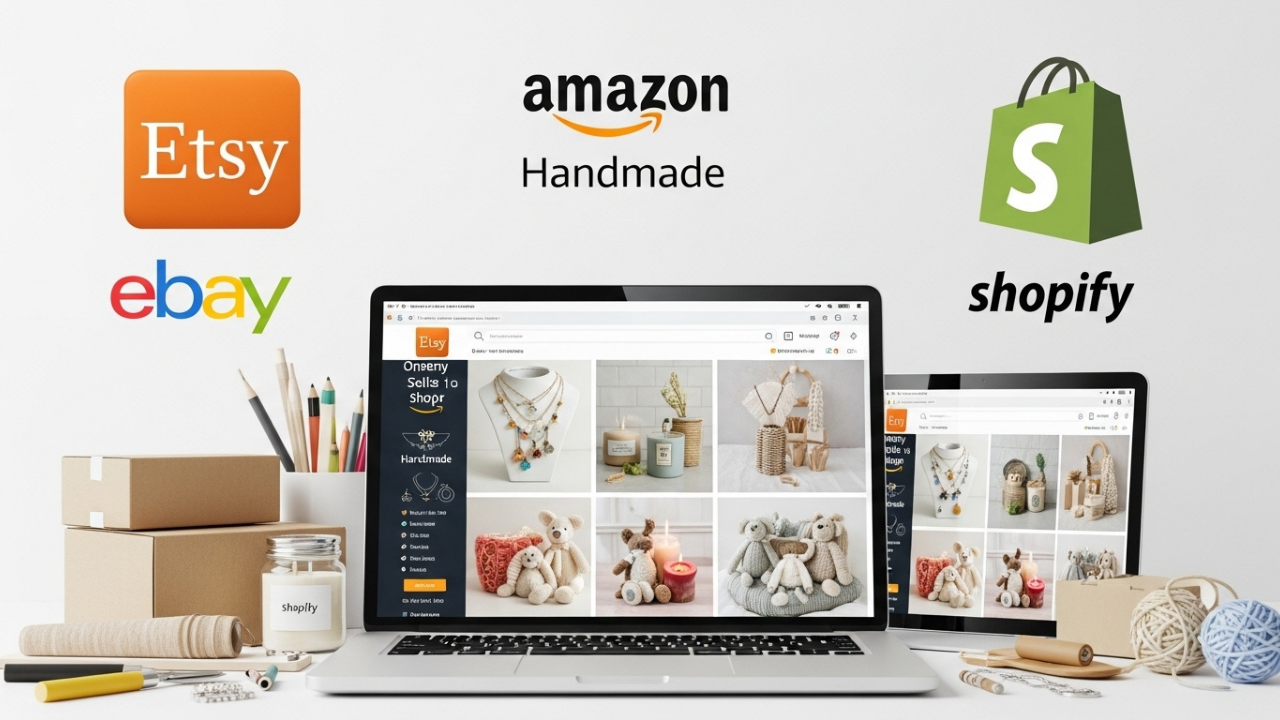
Not all platforms attract the same type of customer. Etsy, for example, is popular among shoppers looking for handmade or unique items, while Amazon Handmade reaches a broader, mainstream audience.
Consider where your ideal customer is likely to shop. Platforms with more traffic can offer more sales opportunities but also more competition. As a beginner, select a platform that balances visibility with ease of use. Choosing the right audience match improves your chances of early success.
Ease of Use and Setup
Simplicity matters for beginners. Some platforms require advanced technical knowledge, coding, or complicated setups. Sites like Etsy and Facebook Marketplace allow you to set up a shop quickly and easily.
Start with a platform that feels manageable. Focus on learning the basics of online selling and creating high-quality products without getting bogged down by complex technology.
Customization and Branding Options
Each platform offers different levels of control over your shop’s branding. Shopify provides full customization for your store, while marketplaces like Etsy or Amazon Handmade have more limited branding options.
Branding is important because it helps your shop stand out and conveys professionalism. Beginners should evaluate how important branding is for their long-term goals and choose a platform that matches their needs.
Marketing and Promotional Tools
Some platforms include built-in marketing tools, such as advertising options, email campaigns, or promotional discounts. These tools can help beginners reach more customers without investing in separate marketing software.
Understanding the marketing support available helps you plan your strategy and maximize exposure for your products.
Top Online Platforms for Selling DIY Crafts
Etsy
Etsy is one of the most popular platforms for handmade items. It’s beginner-friendly and comes with a ready-made audience eager to buy unique, handcrafted products.
Listing products is straightforward, and Etsy helps track orders and manage inventory. Beginners don’t need to drive all the traffic themselves—Etsy provides exposure. Just ensure your listings have high-quality photos and clear, optimized descriptions to attract buyers.
Amazon Handmade
Amazon Handmade allows crafters to reach a massive global audience. New sellers can gain credibility quickly thanks to Amazon’s trusted buyer base.
The application process ensures quality, giving your shop credibility. While fees and competition are factors to consider, the exposure and trustworthiness of this platform make it ideal for serious sellers.
eBay
eBay offers both auction and fixed-price listings, connecting sellers to a large audience interested in handmade goods.
For beginners, eBay is useful for testing pricing strategies or selling limited-edition items. Success relies on clear photos, detailed descriptions, and highlighting any unique features of your products.
Shopify
Shopify is ideal for sellers who want a fully branded store. Unlike marketplaces, Shopify gives complete control over branding, design, and the customer experience.
Beginners can start with a basic plan and gradually scale their store. Shopify requires a monthly fee but allows for full customization, making it suitable for those looking to grow a professional online shop.
Facebook Marketplace & Facebook Shops
Facebook allows direct selling to people in your network or beyond. Marketplace is free and works well for local or shipping orders.
Facebook Shops connects your products to your business page, enabling customers to shop without leaving the app. Beginners benefit from its low cost and simple setup. Success relies on quality images, clear descriptions, and quick communication with buyers.
Instagram & TikTok Shops
Social media platforms like Instagram and TikTok are excellent for selling visual products. You can use short videos, posts, and stories to showcase your crafts.
New sellers can reach the right audience using hashtags, reels, and engaging content. Social media sales combine marketing and commerce, making it a fun option for creatives who enjoy sharing their work.
Local Craft Marketplaces and Niche Apps
Platforms like ArtFire, Folksy, or Handmade at Amazon cater specifically to buyers seeking creative, handcrafted items.
Traffic may be smaller than bigger platforms, but the audience is highly targeted. Beginners can start here to gain experience and confidence before moving to larger marketplaces.
Setting Up Your Online Shop
Creating Professional Listings
High-quality photos are crucial. Show your product from multiple angles, include close-ups, and consider lifestyle images that demonstrate usage.
Descriptions should be clear and informative. Include dimensions, materials, colors, and special features. Highlight what makes your item unique. A detailed overview builds trust and encourages purchases.
Pricing should cover materials, labor, platform fees, and shipping. Start with competitive but sustainable prices, and adjust based on customer feedback and sales data.
Branding Your Shop
Branding helps your shop stand out. Choose a business name that represents your style, and create a logo, banner, and packaging design that aligns with your brand.
Even simple branding can make a big difference. Thank-you notes or branded packaging enhance the customer experience and encourage repeat buyers. Your brand is the story your shop tells—make it clear and consistent.
Marketing Your DIY Crafts Online
Using Social Media for Promotion
Social media is a low-cost way to promote your products. Share behind-the-scenes content, engaging posts, and stories to help potential customers connect with your brand.
Start small, posting a few times a week on platforms where your target audience spends time. Consistently engage by replying to comments and messages to build trust and increase visibility.
Leveraging Built-in Platform Tools
Many platforms offer tools like sponsored ads, discounts, or featured listings. These can help new shops gain visibility.
Start with free or low-cost promotional options, monitor what works, and adjust your strategy as you learn. Beginners can experiment gradually without overspending.
Building an Email List
Collecting email addresses allows you to engage customers over the long term. Send updates about new products, promotions, or discounts to encourage repeat purchases.
Even if people don’t buy immediately, staying in touch keeps your brand top-of-mind. Over time, your email list becomes a valuable marketing asset.
Managing Orders and Customer Service

Efficient Order Management
Running an online craft shop requires more than just creating beautiful products. Organization, customer communication, and strategic planning are essential for smooth operations and long-term growth.
Keeping Track of Orders, Shipments, and Inventory
Tracking orders, shipments, and inventory is crucial. Beginners can start with a simple spreadsheet or use the inventory tools provided by their chosen platform.
Being organized reduces errors and ensures on-time delivery, which builds trust and reliability with customers.
Packaging Matters
Thoughtful packaging protects your products and enhances their presentation. Use materials that prevent damage during shipping, while also creating a memorable first impression.
Attractive packaging not only impresses customers but also encourages repeat business.
Communication with Customers
Prompt and professional communication is essential. Answer questions politely, provide updates, and handle concerns efficiently. Good communication builds trust, particularly with new buyers.
Encourage reviews and feedback. Positive reviews boost your credibility, while constructive feedback helps improve your shop. Every interaction is an opportunity to grow your business.
Overcoming Common Challenges
Competition and Visibility
High competition on large platforms can make it difficult to gain attention. Beginners may feel discouraged if sales are slow initially. Focus on creating quality products, maintaining strong branding, and optimizing your listings.
Patience is key. Even experienced sellers started with minimal visibility. Consistent effort and learning from experience will help your shop grow over time.
Handling Slow Sales Periods
Sales can fluctuate due to seasonality or market trends. Slow periods are perfect for creating new products, improving merchandising, or refreshing your shop layout.
Low sales don’t mean failure—they are opportunities to refine strategies and understand what customers want.
Managing Time and Workload
Balancing crafting, marketing, and administrative tasks can feel overwhelming. Plan dedicated time for each area and set achievable goals.
For beginners, creating small routines and gradually building up productivity ensures efficiency without stress.
Scaling Your Online DIY Craft Business
Expanding Product Lines
As your shop grows, consider adding new products or variations. Introduce complementary items, seasonal options, or personalized products to increase sales without sacrificing quality.
Tracking customer interest helps guide which products to design next.
Collaborations and Partnerships
Partnering with other makers, local businesses, or influencers can expand visibility. Collaborations introduce your products to new audiences and create co-marketing opportunities.
Networking with other sellers also allows you to share knowledge, resources, and ideas.
Investing in Tools and Advertising
Reinvest profits into better materials, tools, and packaging. Paid advertising on social media or platforms can help increase visibility and attract customers.
Beginners should start small, test results, and scale gradually. Smart investments keep your business profitable and sustainable.
Benefits of Selling DIY Crafts Online
Flexibility and Independence
An online craft business allows you to control your schedule. You can work from home while balancing personal life and income generation.
Turning Passion into Income
Selling your handmade creations online turns a hobby into a source of income. Seeing your work valued by customers is both financially and personally rewarding.
Learning Entrepreneurial Skills
Running an online shop develops essential business skills, including marketing, customer service, organization, and digital promotion.
You gain real-world experience while pursuing a passion.
Creative Fulfillment
Your shop is a platform for creative expression. Every product tells a story, connects with a buyer, and provides personal satisfaction. Over time, this creative fulfillment combined with income makes running your business highly rewarding.
My Opinion: Pick a Platform and Start Today
The most important step for beginners is choosing the right platform. Select one or two platforms that suit your audience and comfort level.
Set up your shop, create professional listings, and actively engage with customers. Start small, learn from experience, and expand gradually. Even modest progress in the first few months can lead to long-term success.
If you’re creative, persistent, and dedicated, selling your handmade crafts online is entirely possible. Begin today, take small steps daily, and enjoy building something uniquely yours.
How to package handmade gifts for shipping safely
How to package handmade gifts for shipping safely, Imagine spending hours crafting a delicate handmade gift. You wrap it up, ship it out, and wait
Best Craft Fairs to Sell Handmade Items in the US
Best Craft Fairs to Sell Handmade Items in the US, It would be striking to spend hours making handmade items, only to have no one

SEO Tips for Etsy Listings for Craft Sellers
SEO Tips for Etsy Listings for Craft Sellers, Picture the scene: spending hours creating gorgeous handmade items but not selling ANY on Etsy. Your products

Trending Handmade Products to Sell in 2025
Trending Handmade Products to Sell in 2025, If you spent hours making unique handmade items for sale in 2025, would you struggle to decide which
