

How to Start a Handmade Craft Business from Home, Picture this: you spend your evenings and weekends making beautiful handmade jewellery, candles, home décor, or toys. Your creations are so good that your family and friends want to buy them. You start to wonder: could this hobby become a real business?
The good news is yes! A handmade craft business can be started right from your home. You can earn money while enjoying the things you love to make. You can manage your schedule, choose the products you enjoy, and build a brand that reflects your personality and style.
For beginners, the process may feel overwhelming. Questions like “Where do I start?” “How can I sell my handmade products?” or “What do I need to run a craft business?” are very common. This guide will walk you step by step through setting up, planning, and growing a handmade craft business from home. You will learn practical strategies, avoid common mistakes, and gain the confidence to turn your creative hobby into a thriving business.
Key Takeaways
Before diving in, here are a few points to remember:
-
Start small, focus on your niche, and master your craft before scaling.
-
Keeping your workspace, tools, materials, and mind organized boosts productivity.
-
Strong branding makes your handmade products attractive and memorable.
-
Building trust through customer service, feedback, and persistence ensures long-term success.
-
Learning new skills, scaling gradually, and investing wisely helps your business grow sustainably.
Understanding the Handmade Craft Business
What Makes a Handmade Craft Business Unique
A handmade craft business is intentional, professional, and customer-focused, unlike casual crafting. When you create products for others, your work becomes both art and commerce.
Handmade crafts appeal because of their uniqueness. Customers value originality, quality, and the personal touch that mass-produced items lack. Your designs and workmanship can set your products apart and give your business a competitive edge.
Adopting the Right Mindset
Before starting, think like a true business owner. This doesn’t mean losing your creativity—it means staying organized, focused, and strategic about your craft.
Set realistic expectations. In the early months, sales may be slow. Experiment with products, prices, and marketing strategies. Persistence is key. Every challenge is a learning opportunity, and every small success is worth celebrating.
Identifying Your Niche and Craft Products
Choosing Your Niche
Defining your niche is crucial for beginners. What type of craft do you enjoy most? Jewelry, candles, home décor, or personalized gifts? Your niche should align with your skills, interests, and what you can produce consistently.
Understanding your target market is equally important. Who would buy your products? A clear market focus makes marketing and product positioning much easier.
Researching Market Trends
Knowing what customers want is as important as knowing what you love to make. Look at online stores, social media trends, and local craft markets to see which colors, styles, and products are popular.
This research isn’t about copying others. Instead, it helps guide your product development so you create items that people are ready to buy. Beginners often skip this step, but it can reduce trial and error and improve early success.
Starting Small
When beginning, focus on a limited number of products. Quality is far more important than quantity. Too many products at once can lead to inventory headaches and stress.
Starting small allows you to refine your techniques, test the market, and ensure that customers are interested in your products before expanding.
Preparing Your Home Workspace

Setting Up a Functional Craft Area
A well-organized workspace is essential for productivity. Even if you only have a tiny corner in your home, setting up a dedicated crafting area makes a huge difference. Your workspace should have enough room for supplies and good lighting to make crafting easier and more enjoyable.
Having a dedicated space reduces stress and keeps clutter at bay. Even beginners with limited space can set up a simple table or desk and feel comfortable creating.
Organizing Tools and Materials
Keep your tools and materials in containers or shelves that are easy to reach. Place scissors, glue, paints, fabrics, and other small supplies where you can access them quickly. Many beginners underestimate how much time clutter can waste, so an organized system is essential.
Label containers if needed and keep similar items together. Over time, this organization helps you work faster, avoid mistakes, and appear more professional.
Balancing Home Life and Work
Working from home requires discipline. Set boundaries with family members or housemates to minimize distractions. Allocate specific hours for your crafting and treat it like a job. This approach helps you focus while maintaining your personal life.
Planning Your Handmade Craft Business
Creating a Simple Business Plan
Even beginners benefit from a basic plan. Outline your goals, target audience, budget, and pricing strategy. You don’t need a full 10-page business plan; a simple guide will help you visualize how your first months may go.
Start by defining your objectives. Are you earning extra income, testing the waters, or aiming to turn crafting into a full-time business? Clear goals guide your decisions and keep you motivated.
Understanding Costs
Every business has costs. Track what you spend on materials, tools, packaging, and shipping. Many beginners price their crafts too low, limiting profit and growth.
Keep a simple spreadsheet or notebook to monitor expenses. This ensures your pricing covers costs and leaves room for profit.
Setting Realistic Income Goals
Don’t expect overnight success. In the beginning, you may learn more than you earn. Set small goals, like selling a certain number of items each month. Gradually increase targets as your skills and confidence grow.
Branding Your Handmade Craft Business
Importance of Branding
Branding goes beyond a logo. It’s how customers perceive your business. Your brand includes your business name, visual style, story, and how you present your products. A strong brand builds trust, inspires confidence, and makes your products memorable.
Packaging and Presentation
Even simple packaging can elevate your products. Use boxes, ribbons, tags, or personalized labels to create a professional appearance. Neat, attractive packaging shows care and encourages repeat customers.
Telling Your Story
Customers connect with stories. Share your inspiration, creative process, and why you craft. Use social media, product descriptions, or a website to tell your story. This helps buyers feel connected to your brand and adds value to your products.
Marketing and Selling Your Crafts
Choosing the Right Platforms
After creating your products, you need the right place to sell them. Platforms like Etsy, Amazon Handmade, and eBay are excellent for beginners. Social media platforms like Instagram, TikTok, and Facebook can help you build a following.
Start with one to three platforms to avoid overwhelm. Learn their features, post regularly, and engage with potential customers.
Creating Effective Product Listings
A strong listing can significantly impact sales. Use clear photos from multiple angles and provide detailed descriptions, including materials, dimensions, and unique features. Adding a short story about your inspiration can make your product more appealing.
Leveraging Social Media
Social media is a powerful tool for handmade businesses. Share behind-the-scenes photos, tutorials, or customer testimonials. Engage with your followers by responding to comments and questions.
Start by posting a few times a week. Over time, your audience grows, increasing awareness and potential sales.
Managing Finances

Tracking Income and Expenses
A home-based craft business requires careful financial management. Keep track of high-frequency costs such as materials, packaging, shipping, and marketing. Monitoring income and expenses helps you determine whether your business is profitable.
Beginners can use a simple notebook, spreadsheet, or free online tools to track finances. This will help you identify which products are high-profit and which are not, allowing better decision-making.
Pricing Your Crafts
Pricing is one of the hardest challenges for beginners. Your price should cover costs and include a reasonable profit margin. Factor in the time, effort, and skill required to make each item.
Never undervalue your work. Charging properly ensures your business remains sustainable. As a beginner, test different price points and pay attention to customer feedback to refine your pricing strategy.
Understanding Legal and Tax Requirements
Even small home-based businesses must consider legal and tax obligations. Depending on your location, you may need to register your business, collect sales tax, or report income.
Stay organized from the start to avoid future problems. You don’t need to be an accountant—just knowing the basics and keeping accurate records is enough to stay compliant.
Customer Service and Building Relationships
Providing Excellent Service
Customer experience can make or break your craft business. Respond to queries promptly, package products carefully, and ensure timely shipping. Every order is an opportunity to build trust and leave a positive impression.
Including thank-you notes or small freebies can make your customers feel valued. Happy customers are more likely to buy again and leave positive reviews.
Collecting Feedback
Feedback is a valuable tool for growth. Listen to what customers like and what they suggest improving. Constructive criticism can help refine your products and services during the early stages.
Encourage reviews on sales platforms and social media. Honest feedback allows you to improve continuously while building trust.
Building Long-Term Relationships
Repeat customers are the backbone of any small business. Offer loyalty discounts or special promotions to encourage repeat business. Treat customers well, and they may become brand advocates, helping your business grow organically.
Overcoming Common Challenges
Balancing Crafting and Business Tasks
Many beginners struggle to balance making products with running the business. Feeling overwhelmed is normal. Schedule dedicated time for creation, marketing, and administrative tasks.
Start small and gradually increase your goals. A structured workflow ensures efficiency and reduces stress.
Handling Slow Sales and Creative Blocks
Sales may sometimes fall short, and creative energy may dip. These challenges are normal. Slow periods are opportunities to experiment with new ideas.
Creative blocks are temporary. Seek inspiration from other crafters, nature, or your previous projects. Persistence is more important than perfection.
Learning New Skills Gradually
Running a craft business requires more than just crafting. You’ll gain skills in marketing, photography, and bookkeeping over time. Beginners don’t need to master everything immediately. Focus on one skill at a time and gradually build your expertise.
Scaling Your Handmade Craft Business
Expanding Your Product Line
Once confident, consider introducing new designs, products, or variations. Expand slowly to ensure consistency with your brand and maintain product quality.
Collaborating and Networking
Connect with other crafters, attend local markets or fairs, and join networking groups. Collaboration helps you reach new customers and gain insights into growing your business.
Investing in Tools and Materials
As your business grows, invest in better tools, materials, and packaging. Gradual upgrades improve efficiency and product quality while keeping costs manageable.
Benefits of Running a Home-Based Craft Business
Flexibility and Independence
Running a craft business from home allows you to set your schedule. This flexibility helps balance family life, hobbies, and income generation.
Turning Passion into Income
Transforming a hobby into a business is deeply rewarding. When you earn from something you love, it shows in the quality and authenticity of your products. Customers appreciate the personal touch of handmade items.
Personal Satisfaction and Creative Fulfillment
Creating products for others is a fulfilling experience. A home-based craft business lets you express your creativity while building a tangible business that reflects your personality.
My Opinion – Take the First Step Today
Starting a handmade craft business from home may seem intimidating, but every successful business begins with one product and one effort. Choose your niche, organize your workspace, plan carefully, brand creatively, and market smartly.
Taking small steps, like creating your first product or posting your first listing, is progress. With consistency and dedication, your hobby can grow into a rewarding and sustainable business.
So gather your supplies, assign a dedicated workspace, and start creating. Every item you handcraft not only showcases your talent but also has the potential to generate income and personal satisfaction.
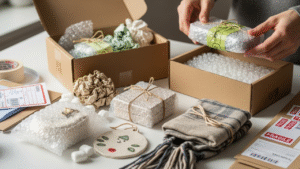
How to package handmade gifts for shipping safely
How to package handmade gifts for shipping safely, Imagine spending hours crafting a delicate handmade gift. You wrap it up, ship it out, and wait
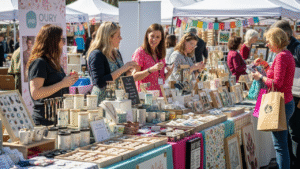
Best Craft Fairs to Sell Handmade Items in the US
Best Craft Fairs to Sell Handmade Items in the US, It would be striking to spend hours making handmade items, only to have no one

SEO Tips for Etsy Listings for Craft Sellers
SEO Tips for Etsy Listings for Craft Sellers, Picture the scene: spending hours creating gorgeous handmade items but not selling ANY on Etsy. Your products

Trending Handmade Products to Sell in 2025
Trending Handmade Products to Sell in 2025, If you spent hours making unique handmade items for sale in 2025, would you struggle to decide which
